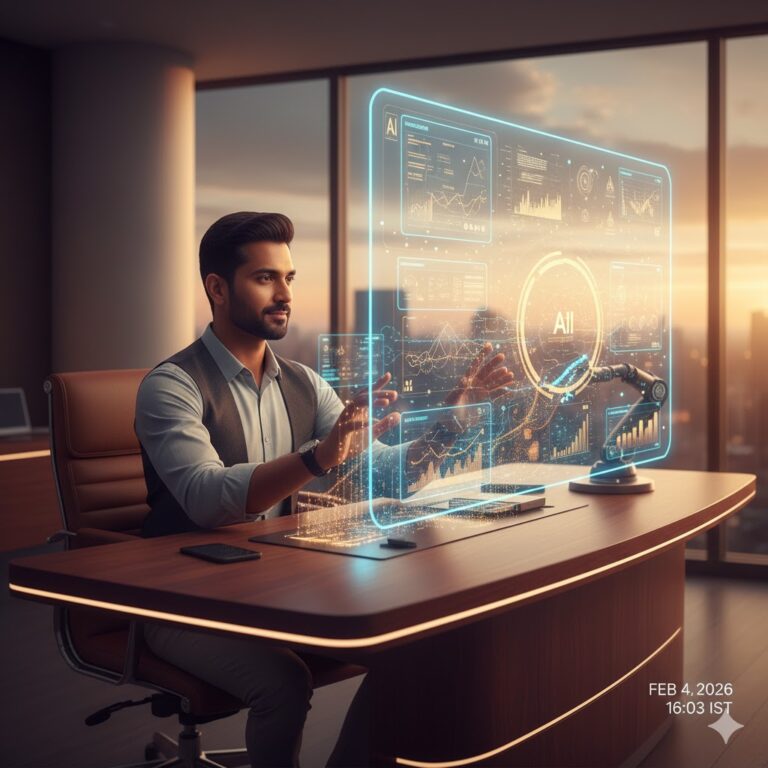
Working with Machines: The Real Impact of AI on Jobs, Skills, and Career Growth
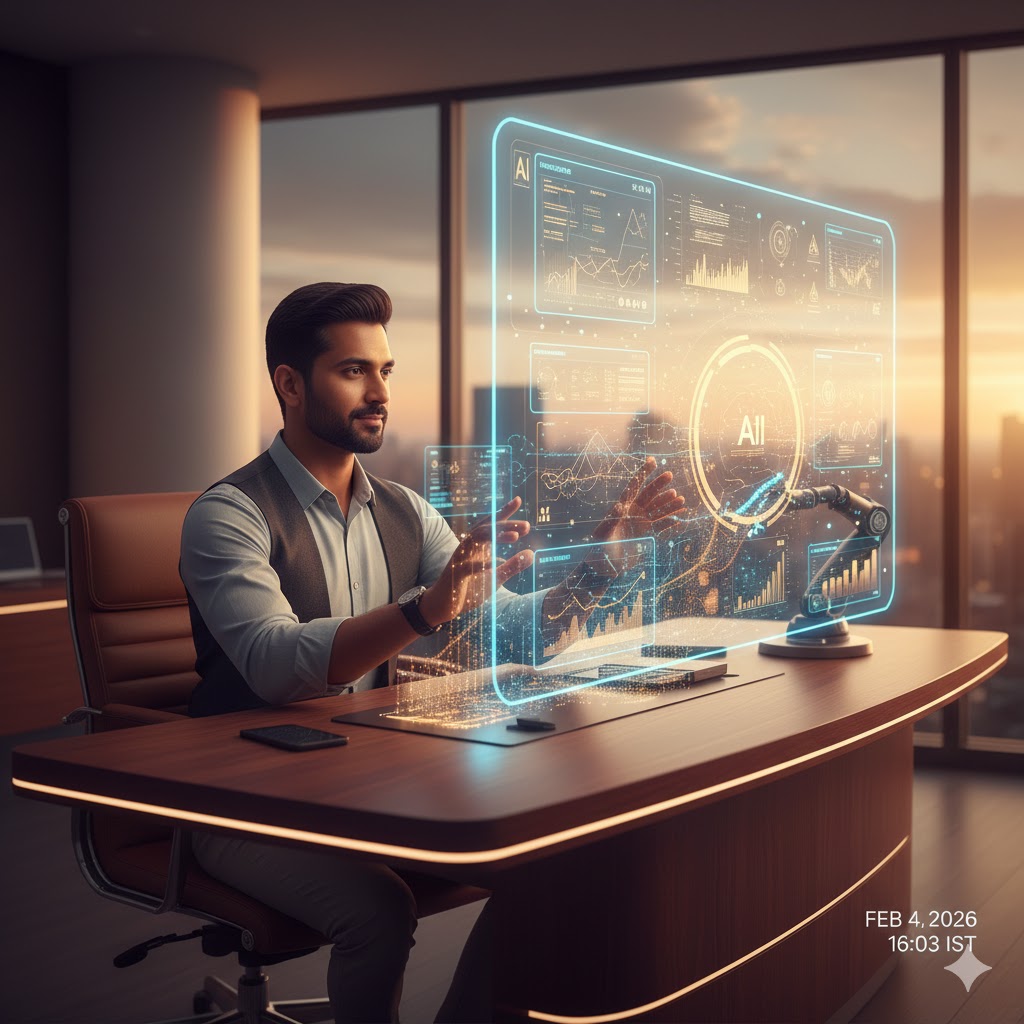
AI at Work: How Automation Is Creating New Jobs While Replacing Old Ones
The workplace is no longer a quiet corridor of predictable roles and familiar routines. It has become a living, shifting ecosystem, reshaped by algorithms that never sleep and machines that learn as they go. Automation, once feared as a silent job thief, is now revealing a more intricate story — one where doors close in one hallway only to open in another.
Across industries, repetitive tasks are quietly dissolving into lines of code. Data entry clerks, assembly line operators, and basic customer service roles are finding their traditional positions thinning. Yet, in their place, an entirely new constellation of careers is taking shape. AI trainers, automation consultants, digital ethicists, and machine-learning auditors now occupy the modern labour landscape, roles that scarcely existed a decade ago.
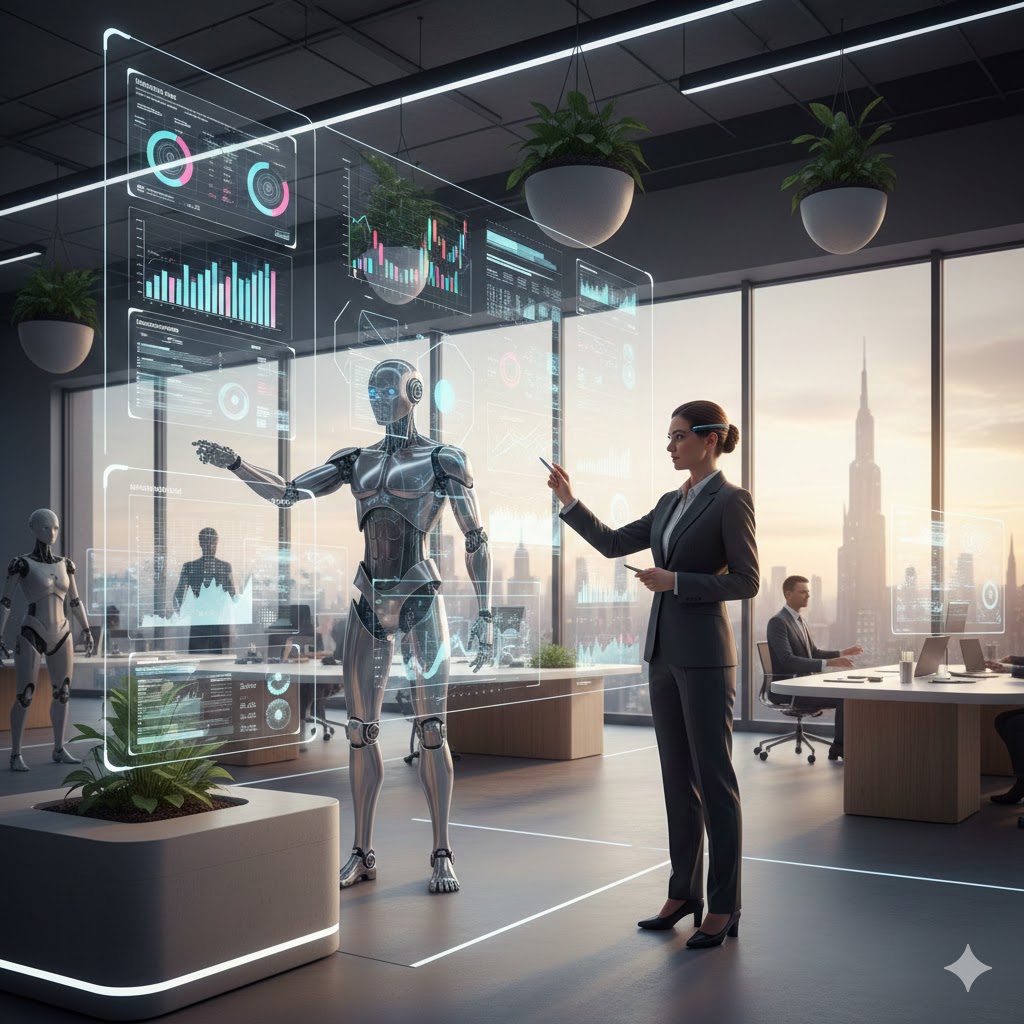
This transformation is less about elimination and more about evolution. Human labour is migrating from mechanical repetition to creative problem-solving, strategic thinking, and emotional intelligence — territories where machines still falter. The office of tomorrow will not be dominated by robots, but by people who understand how to command, refine, and collaborate with them.
In this in-depth guide, we will explore how automation is reshaping the job market, which careers are rising, which are fading, and how individuals and organisations can stay ahead in an AI-driven economy.
1. The Rise of Automation in the Modern Workplace
Automation did not arrive overnight. It crept into offices and factories through small, almost invisible upgrades — spreadsheets replacing ledgers, chatbots replacing phone queues, software replacing filing cabinets. Today, it stands as a central force shaping how work is done.
From manufacturing floors guided by robotic arms to marketing teams powered by predictive analytics, automation has become the backbone of productivity. Businesses now rely on intelligent systems to forecast demand, streamline logistics, and personalise customer experiences at a scale no human team could manage alone.
But this rise is not just about speed and efficiency. It is about redefining value. Tasks that once consumed hours of human effort can now be completed in seconds, freeing people to focus on work that requires insight, empathy, and imagination. In many ways, automation is not replacing workers — it is repositioning them.
2. Jobs That Are Fading in the Age of AI
Every technological shift leaves some roles behind. Automation is no exception. Jobs built around repetition, predictability, and routine are the most vulnerable.
Commonly Impacted Roles Include:
- Data entry and administrative support
- Basic customer service and call centre operations
- Assembly line and manual production roles
- Simple bookkeeping and transaction processing
These roles are not disappearing entirely, but they are shrinking. Intelligent systems can now handle thousands of transactions, queries, or manufacturing steps without fatigue or error.
However, it is important to understand that this decline is not a sudden collapse. It is a gradual transformation. Many organisations are retraining employees rather than replacing them, guiding them into more analytical, supervisory, or creative positions within the same company.
3. The Emergence of New Careers in an Automated World
While some jobs fade, others are being born at remarkable speed. The AI economy has created a demand for roles that blend technical understanding with human judgement.
Growing Career Paths Include:
- AI Trainers – Professionals who teach systems how to recognise patterns, language, and behaviour.
- Automation Consultants – Experts who help businesses integrate AI tools into daily operations.
- Digital Ethicists – Specialists who ensure AI systems are fair, transparent, and responsible.
- Machine Learning Auditors – Analysts who review algorithms for bias, accuracy, and compliance.
- Data Storytellers – Communicators who translate complex data into meaningful insights for decision-makers.
These roles did not exist in traditional career handbooks. They emerged from the need to bridge the gap between human values and machine logic.
4. How Human Skills Are Becoming More Valuable Than Ever
As machines take over predictable tasks, human qualities are becoming premium assets. Skills that cannot be easily coded — empathy, creativity, leadership, and ethical reasoning — are now at the centre of professional success.
In customer relations, for example, AI can answer questions, but it cannot truly understand frustration, excitement, or trust. In management, algorithms can suggest strategies, but they cannot inspire teams or navigate complex human dynamics.
The modern workplace is increasingly divided into two realms:
- The technical realm, where machines excel
- The human realm, where people lead
Those who thrive will be the ones who can move comfortably between both.
5. The Role of Education and Reskilling in an AI Economy
Traditional education models were built for stable career paths. Learn a skill, build experience, retire. That model no longer fits a world where technology evolves every year.
Today’s workforce needs continuous learning. Online courses, professional certifications, and workplace training programmes are becoming essential tools for survival and success.
Key Areas for Reskilling:
- Data literacy
- Digital communication tools
- AI and automation fundamentals
- Cybersecurity awareness
- Creative and strategic thinking
Governments and organisations that invest in reskilling are discovering a powerful truth: automation does not shrink the workforce — it reshapes it into something more adaptable and resilient.
6. How Businesses Benefit from Human-AI Collaboration
The most successful organisations are not choosing between humans and machines. They are building systems where the two work together.
In healthcare, AI analyses medical images while doctors make final diagnoses. In finance, algorithms flag risks while advisors guide clients through complex decisions. In marketing, software tracks trends while creatives craft compelling stories.
This collaboration leads to:
- Faster decision-making
- Higher accuracy
- Improved customer experiences
- Greater innovation
Rather than a competition, the workplace becomes a partnership between intelligence made of code and intelligence shaped by experience.
7. The Global Impact of Automation on Employment
Automation is not limited by borders. Its impact is global, reshaping economies in both developed and developing nations.
In advanced economies, AI is driving growth in technology, finance, and creative industries. In emerging markets, it is opening remote opportunities that were once unreachable. A software developer in a small town can now work for a global company without relocating.
However, this global shift also raises important questions about digital inequality. Access to education, technology, and connectivity will determine who benefits most from the AI revolution.
8. Ethical Challenges in an Automated Workplace
With great power comes great responsibility. As AI systems make more decisions, ethical concerns grow louder.
Key questions include:
- Who is accountable when an algorithm makes a mistake?
- How do we prevent bias in automated hiring systems?
- Should machines be allowed to monitor employee performance?
These challenges have given rise to new roles and regulations aimed at ensuring technology serves people, not the other way around.
9. Preparing for the Office of Tomorrow
The office of the future will look very different from today’s cubicle-filled floors. Remote work, digital collaboration tools, and virtual workspaces are becoming standard.
Employees will need to be:
- Technologically fluent
- Adaptable to change
- Comfortable with continuous learning
- Skilled in communication across digital platforms
Organisations, in turn, will need to create cultures that value innovation, inclusion, and flexibility.
10. How Individuals Can Future-Proof Their Careers
The best way to stay relevant in an automated world is not to outrun technology, but to run alongside it.
Practical Steps to Take:
- Learn the basics of AI and data analysis
- Develop strong communication and leadership skills
- Stay curious about new tools and platforms
- Build a personal brand that highlights adaptability and insight
The future belongs to those who see change not as a threat, but as an invitation to grow.
11. The Economic Ripple Effect of Automation
Beyond individual careers, automation influences entire industries. Productivity gains can lead to lower costs, higher profits, and increased investment in innovation.
This ripple effect often results in:
- The creation of new markets
- The rise of specialised service industries
- Increased demand for skilled professionals
In this way, automation becomes not just a technological shift, but an economic catalyst.
12. The Human Story Behind the Machines
It is easy to talk about AI in terms of code and systems. But at its heart, this transformation is deeply human.
It is about a factory worker learning digital skills to become a systems supervisor. It is about a graduate building a career in a field that did not exist when they were born. It is about organisations redefining what it means to create value in a digital age.
Automation writes the technical script, but people write the story.
Conclusion: A Future Shaped by Collaboration, Not Competition
Automation is not the end of work. It is the beginning of a new chapter.
As machines take over the predictable and the repetitive, humans are being invited into roles that demand creativity, empathy, and strategic vision. The job market is not shrinking — it is transforming, becoming more dynamic, more complex, and, in many ways, more human.
The real winners in this evolving landscape will not be those who resist change, nor those who blindly follow it. They will be the ones who understand technology, respect its power, and use it to amplify what makes them uniquely human.
In the end, the future of work will not be written by machines alone. It will be co-authored — line by line — by people who choose to evolve with them.
About the Author