Introduction: A New GST Compliance Requirement for Scrap Purchases
If your business purchases used cooking oil, plastic waste, scrap tyres or electronic waste from unregistered suppliers, there is an important GST update you should not ignore.
The Government of India has issued Notification No. 04/2026-Central Tax (Rate), dated 27 October 2026, introducing changes to the existing Reverse Charge Mechanism (RCM) provisions under GST.
With effect from 1 November 2026, certain specified goods purchased by registered businesses from unregistered persons will fall under the Reverse Charge Mechanism.
In simple terms, the responsibility for paying GST shifts from the seller to the registered buyer in the transactions covered by this notification.
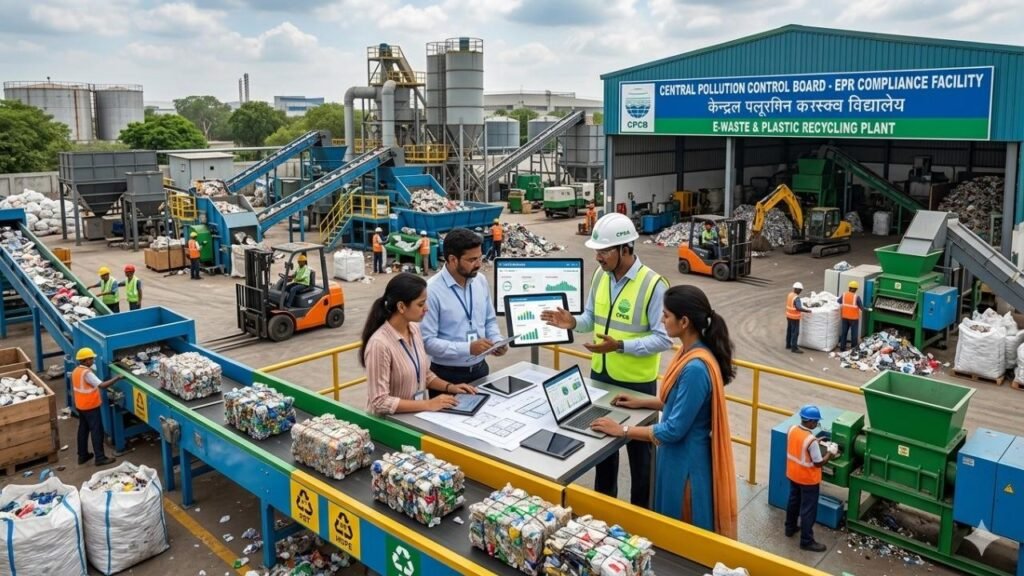
This change is particularly relevant for businesses operating in the recycling industry, waste management, manufacturing, restaurants, scrap trading and electronic waste processing.
Let’s understand what has changed and who needs to take action.
1. What Is the New GST Notification About?
The new Notification No. 04/2026-Central Tax (Rate) amends Notification No. 04/2017-Central Tax (Rate), which deals with specified goods attracting GST under the Reverse Charge Mechanism.
The amendment adds four additional categories of goods to the existing list.
The important change is that when these specified goods are supplied by an unregistered person to a registered person, the registered recipient becomes responsible for paying GST under RCM.
What is Reverse Charge Mechanism (RCM)?
Normally, under GST, the seller collects GST from the buyer and deposits it with the Government.
However, under the Reverse Charge Mechanism, the responsibility to pay GST shifts from the seller to the buyer.
Consider this example:
A registered recycling company purchases plastic waste worth ₹1,00,000 from an individual scrap collector who does not have GST registration.
Under the normal forward charge mechanism, the seller would generally be responsible for collecting and paying GST, where applicable.
Under the newly notified RCM provision, the registered buyer becomes responsible for paying the applicable GST under reverse charge.
The key difference: Instead of the supplier paying GST, the registered recipient pays the applicable GST directly to the Government.
2. Which Goods Are Covered Under the New RCM Notification?
The notification introduces four additional categories of goods.
Here is a simplified breakdown:
| Sl. No. | HSN Code | Description of Goods | RCM Applicability |
|---|---|---|---|
| 1 | 1518 | Used cooking oil | Unregistered supplier to registered recipient |
| 2 | 3915 | Waste and scrap of plastics | Unregistered supplier to registered recipient |
| 3 | 4004 | Waste and scrap of tyres | Unregistered supplier to registered recipient |
| 4 | 8549 | Electrical and electronics waste and scrap | Unregistered supplier to registered recipient |
These categories are particularly relevant to businesses that regularly purchase waste materials for recycling, processing, manufacturing or resale.
A. Used Cooking Oil – HSN 1518
Used cooking oil is commonly generated by restaurants, hotels, food processing units, commercial kitchens and other food establishments.
Businesses collecting or purchasing used cooking oil from unregistered suppliers should review their purchase transactions.
Businesses potentially impacted:
-
- Used cooking oil collection companies.
-
- Biodiesel manufacturers.
-
- Oil recycling and processing units.
-
- Waste oil aggregators.
-
- Restaurants and commercial establishments selling used cooking oil to registered buyers.
B. Plastic Waste and Scrap – HSN 3915
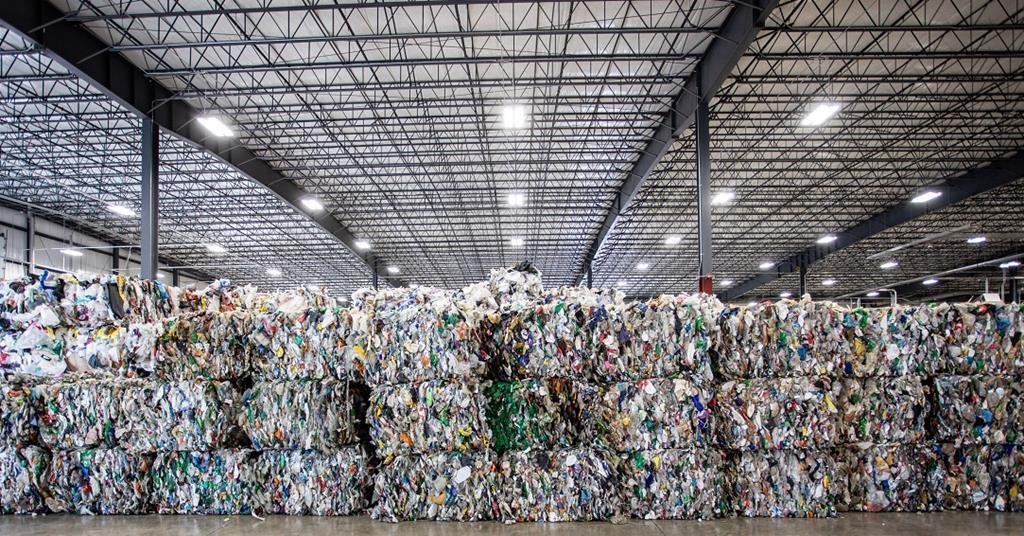
Plastic waste is one of the most commonly traded scrap materials in India.
This category is particularly important for recycling companies and manufacturers purchasing plastic scrap from small collectors and unregistered vendors.
Businesses potentially impacted:
-
- Plastic recycling companies.
-
- Plastic granule manufacturers.
-
- Scrap dealers and aggregators.
-
- Plastic processing industries.
-
- Manufacturing units purchasing plastic waste.
C. Waste and Scrap of Tyres – HSN 4004
Waste tyres are commonly collected from automobile workshops, tyre dealers, transport operators and scrap collectors.
The new notification brings specified waste and scrap of tyres under the RCM framework when supplied by unregistered persons to registered recipients.
Businesses potentially impacted:
-
- Tyre recycling companies.
-
- Rubber processing units.
-
- Scrap tyre traders.
-
- Waste tyre collection businesses.
-
- Industries using recycled rubber materials.
D. Electrical and Electronics Waste – HSN 8549
Electronic waste, commonly known as e-waste, includes specified discarded electrical and electronic materials.
This category is particularly relevant to businesses involved in electronic waste collection, recycling and material recovery.
Businesses potentially impacted:
-
- E-waste recycling companies.
-
- Electronic scrap dealers.
-
- IT asset disposal companies.
-
- Electronics dismantling and processing units.
-
- Businesses purchasing specified electronic waste for material recovery.
Important: The notification specifically refers to the goods covered under the respective tariff headings and descriptions. Not every product or discarded material should automatically be treated as covered merely because it belongs to one of these broad industries.
3. Who Will Be Responsible for Paying GST?
The most important aspect of this notification is the registration status of the supplier and recipient.
The notification specifies:
| Supplier | Recipient | GST Treatment under the new entry |
|---|---|---|
| Unregistered person | Registered person | RCM applicable |
| Registered person | Registered person | Not covered by these newly inserted entries |
| Unregistered person | Unregistered person | Not covered by these newly inserted entries |
For example:
Case 1: Registered plastic recycling company purchases plastic scrap from an unregistered individual.
RCM applies under the newly inserted entry, subject to the goods falling within the specified classification.
Case 2: A registered manufacturer purchases plastic scrap from another GST-registered supplier.
The newly inserted RCM entry does not apply to this transaction. The normal applicable GST treatment must be considered.
Case 3: An unregistered scrap dealer purchases waste from another unregistered individual.
The newly inserted entry does not cover this transaction.
4. When Does the New GST Provision Become Applicable?
The notification clearly specifies its effective date.
Effective date: 1 November 2026
Therefore, businesses should review transactions taking place on or after this date and identify purchases covered under the newly introduced RCM provisions.
It is advisable to update accounting systems, purchase registers and GST compliance procedures before processing November 2026 transactions.
5. What Should Businesses Do Immediately?
Businesses dealing with the four specified categories should take the following steps:
-
- Identify affected purchases: Review whether your business purchases used cooking oil, plastic waste, tyre scrap or e-waste.
-
- Check supplier registration: Identify which suppliers are registered and which are unregistered under GST.
-
- Verify HSN classification: Ensure that the goods actually fall under the relevant HSN codes and descriptions specified in the notification.
-
- Update accounting software: Create separate purchase ledgers for goods attracting RCM.
-
- Review GST payment procedures: Ensure that the applicable RCM liability is identified and accounted for correctly.
-
- Inform your accounts team: Share the notification with the purchase, accounts and GST compliance departments.
-
- Review November purchases: Ensure that transactions from 1 November 2026 are examined under the revised provisions.
6. What Does This Mean for Small Scrap Dealers?
One important point to understand is that the notification places the RCM payment responsibility on the registered recipient in the specified transactions.
Small scrap collectors or unregistered dealers supplying these goods to registered businesses should understand that the responsibility for GST payment under these entries shifts to the registered buyer.
However, businesses should not assume that this notification automatically provides an exemption from every other GST registration, invoicing or compliance requirement.
The treatment of each transaction should be examined under the applicable GST provisions.
Conclusion: Businesses Should Prepare Before the November 2026 GST Changes
Notification No. 04/2026-Central Tax (Rate) introduces an important change for businesses purchasing specified waste and scrap materials from unregistered suppliers.
The inclusion of used cooking oil, plastic waste, tyre scrap and electrical and electronic waste under the RCM framework means that registered buyers need to pay closer attention to supplier registration status and HSN classification.
For businesses in the recycling, manufacturing and waste management industries, this is not just a GST notification to read and ignore. It is a compliance change that should be reflected in purchase accounting and GST reporting processes.
Our recommendation: Review your supplier database and purchase transactions before processing November 2026 GST returns to avoid missed RCM liabilities and unnecessary compliance complications.
Disclaimer: This article is prepared for general informational purposes based on Notification No. 04/2026-Central Tax (Rate), dated 27 October 2026. The applicable GST rate, valuation, time of supply, documentation and input tax credit eligibility should be examined separately under the relevant GST provisions.